
How to Plan a Celebration of Life in Central Florida: A Gentle Guide for Families
When someone you love dies, the world asks a lot of you, fast.
There are phone calls to make, paperwork to sign, and dozens of decisions to work through, all while you're still trying to catch your breath. And somewhere in the middle of it, someone asks, "So what kind of service do you want?"
If you've found yourself staring at that question with no idea where to start, you're not alone. I'm Jennie, and as a celebrant here in Central Florida, I sit with families in exactly this moment. I want to share what I've learned about creating a celebration of life that actually feels like the person you lost.
Because saying goodbye shouldn't feel generic.

What is a celebration of life?
A celebration of life is a ceremony that centers on the person: who they were, how they loved, what made them laugh, and the stories people still tell about them.
A traditional funeral often follows a set religious or cultural order. There's real comfort in that for many families. A celebration of life is more flexible. It can be religious, spiritual, completely secular, or a blend. It can happen at a funeral home, a church, a park, a backyard, the beach, or the bar where they held court every Friday night.
The heart of it is simple. Instead of listening to an obituary, the people in the room hear a life story, and they recognize the person in it.
Celebration of life vs. funeral vs. memorial service
Families ask me about this all the time, so here's the short version.
Funeral: Usually held soon after a death, often with the body present, and often following religious or cultural traditions.
Memorial service: Held without the body present, sometimes weeks or months later, and often more flexible in tone.
Celebration of life: Focused on honoring personality, memories, and legacy. The tone is usually warmer and can include laughter right alongside the tears.
The lines between them blur, and there's no wrong choice. What matters is that the ceremony fits your person and your family.
Step 1: Give yourself permission to take your time
One of the gifts of a celebration of life is that it doesn't have to happen in a rush. Many families hold the ceremony a few weeks or even a few months after a death, once out of town relatives can travel and the first wave of grief has softened a little.
If you've already had a small private burial or cremation, you can still plan a larger gathering later. There's no deadline on honoring someone.
Step 2: Start with stories, not logistics
Before you pick a venue or a playlist, sit down with the people who knew your loved one best and just talk.
A few questions that tend to open the floodgates:
What's the story everyone tells about them at family gatherings?
What did they care about most?
What would they absolutely hate to have at their own service?
What phrases, jokes, or habits were unmistakably them?
Who did they light up around?
Write everything down, even the small things. Their terrible puns, the way they always hummed while cooking, the garden they fussed over. These details are where a ceremony comes alive.
This is also exactly what I do with families. We meet by phone or video and spend as much time as you need sharing memories. There's no time limit. I'm listening for the person behind the dates and accomplishments.
Step 3: Decide on the tone and beliefs
Every family is different, and so was the person you're honoring. Your ceremony can be:
Non-religious or humanist
Spiritual without being tied to one faith
Faith-based, with scripture, prayers, or hymns
A mix that reflects a family with different beliefs
My role is never to impose beliefs on anyone. It's to create a ceremony that reflects yours and theirs. If Grandma would have wanted the 23rd Psalm and Uncle Ray would have wanted Jimmy Buffett, we can make room for both.
Step 4: Choose a meaningful place
Central Florida gives you so many beautiful options. I officiate celebrations of life throughout Orlando, Winter Garden, Clermont, Windermere, Winter Park, Kissimmee, and across Orange, Seminole, Osceola, and Lake counties.
Some settings families choose:
Funeral homes and chapels for a familiar, fully supported setting
Churches when faith was central to their life
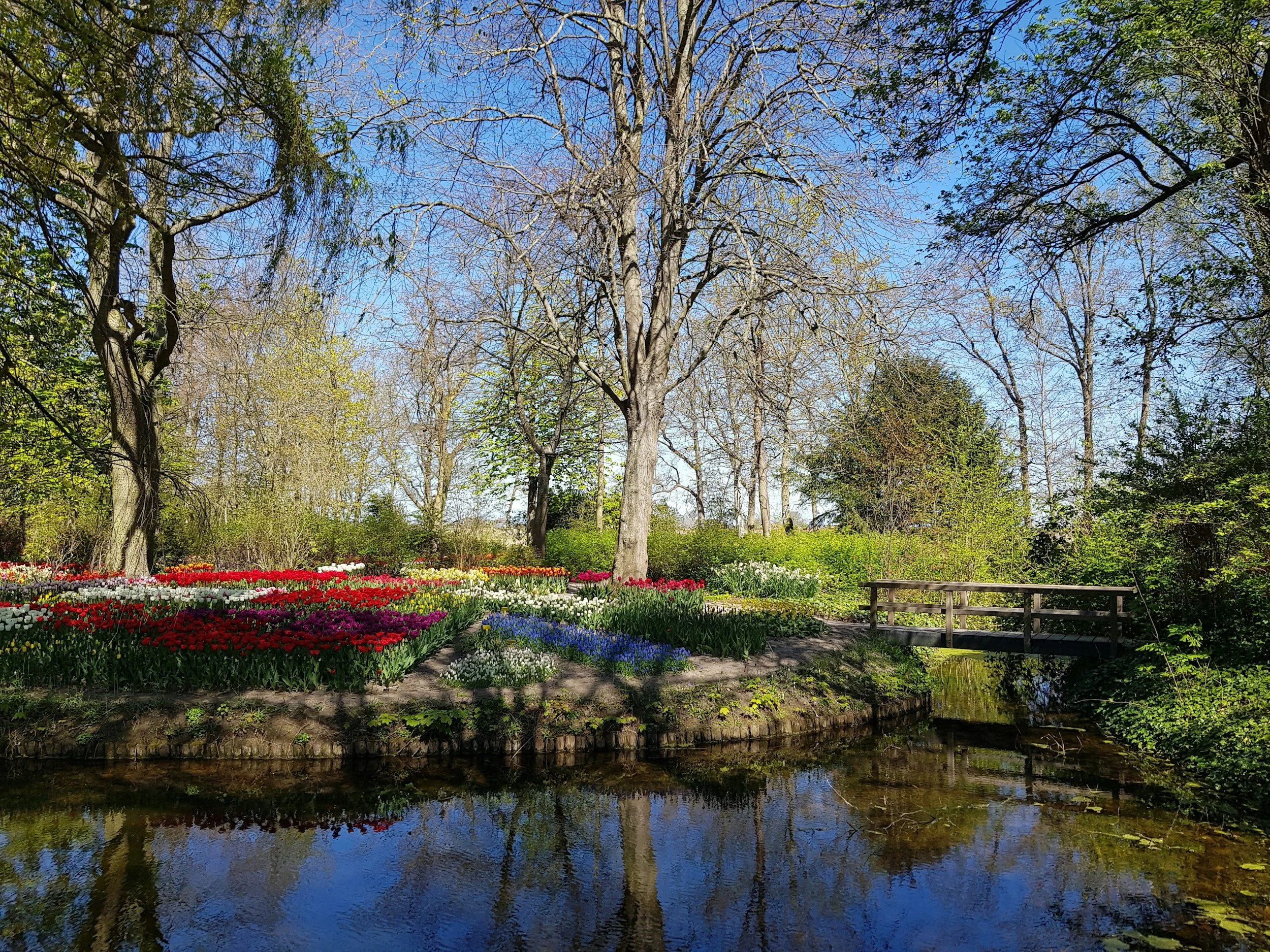
Parks, lakes, and gardens for someone who loved being outdoors
The beach for a sunset farewell
A family home or backyard for something intimate and relaxed
Event venues, restaurants, or a favorite local spot for a bigger gathering with food and drink afterward
Ask yourself where they felt most like themselves. That's usually the answer.
Step 5: Personalize the ceremony
This is where a celebration of life really shines. A few ideas families have loved:
A life story tribute written from your shared memories, so it sounds like a conversation about them rather than a résumé
Readings and poems chosen by family, or favorite passages from books they loved
Music that meant something to them, played live or from a playlist
Family and friend tributes, with short stories shared by the people closest to them
A memory table with photos, hobbies, awards, recipes, or their well worn ball cap
A symbolic ritual, such as lighting candles, planting a tree, releasing flowers into the water, or a final toast
Something to take home, like seed packets, a favorite recipe card, or a small token that represents them
You don't need to include all of this. One or two personal touches that truly fit can mean more than a long program.
Step 6: Let someone guide the day
On the day of the ceremony, the last thing you should have to worry about is who speaks next or whether the microphone works.
When I officiate, I write every word specifically for your loved one, and you review the full ceremony beforehand so everything feels right. Then on the day, I guide the service with warmth and calm so you can simply be present with the people around you. I'll bring a microphone when it's needed, and I'll be there to gently support any family member who wants to speak.
What a celebration of life can feel like
The best compliment I ever hear after a service goes something like this: "That was them. That was exactly them."
People laugh. People cry. Someone remembers a story they'd forgotten. Old friends reconnect in the parking lot afterward. Nobody leaves feeling like they sat through something generic.
That's what a celebration of life is for. Not just mourning a loss, but celebrating a life well lived.
Frequently asked questions
-
There's no rule. Some families gather within a week or two, while others wait several months. Choose a timeline that gives you room to plan and lets the people who matter attend.
-
Absolutely. Scripture, prayers, and faith traditions can be included whenever you'd like. Ceremonies can also be entirely secular or spiritual without being religious.
-
Most ceremonies run about 20 to 45 minutes, depending on how many tributes, readings, and music selections you include. A reception or gathering afterward can last as long as you like.
-
Yes. Family and friends are welcome to share readings, stories, music, or personal tributes. If someone wants to contribute but feels nervous speaking, I can read their words for them.
-
You don't have to have one, but an officiant or celebrant takes a heavy load off your family. Having someone write the ceremony and lead the day lets you grieve and connect instead of managing the details.
Let's tell their story together
If you're planning a funeral, memorial service, or celebration of life anywhere in Central Florida, I'd be honored to help. We'll start with a free, no pressure discovery call, and we'll take all the time you need.
Learn more about Celebration of Life ceremonies
Schedule your free discovery call
With warmth, Jennie